
Mineral Rights Attorney in the Texas Panhandle
Your Minerals Have Value — Make Sure You're Getting Every Dollar You're Owed
The Anadarko Basin underlying the Texas Panhandle contains significant natural gas and oil reserves — and the mineral rights that sit above those reserves have real, lasting value. Whether you are dealing with a competing ownership claim, a lease dispute that shortchanges your royalty, a severance question that affects what you actually own, or an energy company that is not accounting for all the production from your land, you need a mineral rights attorney in the Texas Panhandle who has spent decades working these exact issues. Kenneth Netardus at Stockard, Johnston, Brown, Netardus & Doyle has been representing mineral rights owners and energy companies in Panhandle mineral disputes since 1994.

Mineral Rights in the Texas Panhandle — A Complex Legal Landscape With Real Stakes
Texas mineral rights law is among the most complex property law in the country — and the Texas Panhandle’s long history of energy production means the mineral rights underlying many tracts of land have been severed, conveyed, leased, assigned, and re-assigned multiple times over decades. Understanding what you own — and what rights that ownership actually gives you — requires examining chains of title that can stretch back to the early 20th century, evaluating conveyance documents that were written with different assumptions about what the land would produce, and understanding the current legal framework that governs how those rights interact.
The stakes are real. Mineral rights in a producing formation have present economic value in the form of royalty income from active leases. They have future value in the form of production potential from formations that have not yet been developed. And they have transactional value — mineral rights can be bought, sold, leased, and mortgaged. A mineral rights attorney in the Texas Panhandle who understands both the legal framework and the economics of Panhandle energy production can help you evaluate what you own, protect it from competing claims, and make sure you receive the full value it represents.
Mineral Rights Matters We Handle — for Panhandle Landowners and Mineral Owners
-
Competing Ownership Claims
Disputes between parties who each assert ownership of the same mineral rights, often arising from ambiguous historical conveyances, missing documents in the chain of title, or conflicting descriptions of what was conveyed. -
Surface & Mineral Estate Conflicts
Disputes between surface owners and mineral rights holders over the scope of the mineral estate's right to access and use the surface for production operations. -
Title Examination & Cloud on Title
Identifying and resolving defects in the chain of title that affect the marketability or leasability of mineral rights. -
Adverse Possession & Prescriptive Rights Claims
Evaluating whether long-term possession or use of mineral rights has ripened into legal ownership under Texas law. -
Mineral Rights Partitions
When mineral rights are co-owned by multiple parties who cannot agree on how to manage or lease the estate, partition proceedings may be available. -
Royalty Accounting Disputes
When mineral owners believe they are not receiving the correct royalty payments under an existing lease, including disputes about the royalty base, post-production cost deductions, and production volumes. -
Non-Participating Royalty Interests (NPRI)
Disputes involving NPRI owners whose royalty rights exist independently of, and are superior to, the working interest owner's right to negotiate lease terms. -
Mineral Rights Acquisitions & Sales
Representing buyers and sellers in mineral rights transactions, including due diligence, title review, and purchase and sale documentation.
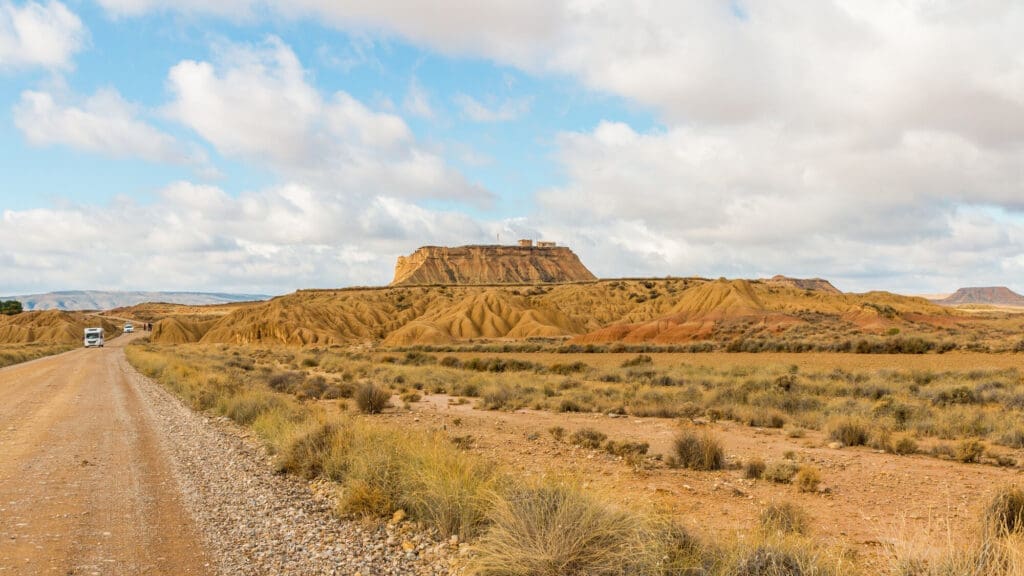
The Severed Mineral Estate — The Most Important Concept in Texas Mineral Rights Law
In Texas, the mineral estate and the surface estate are separate property interests that can be owned by different parties. When the mineral rights underlying a tract of land have been severed from the surface — typically through a historical conveyance that reserved the minerals while conveying the surface — the mineral estate holder has the right to develop the minerals even without the surface owner’s consent, subject to the reasonable use doctrine. The surface owner is entitled to compensation for surface damage, but cannot prevent legitimate mineral development. Conversely, a landowner who owns both surface and minerals has the right to both — but must understand what they own and protect it from unauthorized use. Understanding whether your mineral rights have been severed, and what that means for your rights and obligations, is the first step in any mineral rights analysis.
Why Mineral Rights Owners Need an Attorney — Not Just a Landman's Offer

When an energy company is interested in your mineral rights — whether to lease them, purchase them, or dispute their ownership — they send a landman whose job is to acquire those rights on the best terms possible for the company. Landmen are professionals at this. They know the formation, they know the comparable leases and sales in the area, and they know the legal provisions that affect the value of what they are acquiring. In many cases, the person on the other side of the table has done this transaction hundreds of times. You have likely done it zero or one times.
That information asymmetry directly affects outcomes. Landowners who engage with energy companies without legal representation routinely accept lease terms below market value, sign away surface use rights they did not need to give up, miss royalty provisions that will cost them thousands of dollars over the life of a lease, and accept mineral purchase prices that do not reflect the actual value of what is being sold. The cost of a legal review is a fraction of what the wrong terms will cost over time. Kenneth Netardus has been on both sides of these transactions for nearly three decades — which means he knows exactly what the energy company is looking for and where landowners typically give up more than they have to.
A Mineral Rights Attorney in the Texas Panhandle With Nearly Three Decades of Experience
Partner Kenneth Netardus has been practicing mineral rights and oil and gas law in the Texas Panhandle since 1994 — longer than some of the energy companies currently operating in the Anadarko Basin have existed. He began his career at Sparkman & Davison, spent twelve years as a shareholder at Sprouse Shrader Smith representing major oil companies and independent operators across the Panhandle, and joined Stockard, Johnston, Brown, Netardus & Doyle as a partner in 2013. That career spans nearly the full arc of the Panhandle’s modern energy history and gives him a perspective on mineral rights disputes that cannot be replicated by an attorney who arrived in this market recently.
Kenneth represents both mineral rights owners and energy companies — which means he understands how energy companies evaluate mineral acquisitions, what they pay attention to in title examinations, and where their positions are strongest and weakest. When he represents a landowner in a mineral rights dispute or transaction, he brings that insider knowledge directly to bear on getting the best possible outcome. As a mineral rights attorney in the Texas Panhandle, his reputation in the local energy and legal communities reflects nearly thirty years of results on both sides of these matters.


Mineral Rights Questions — Answered
How do I know if I own the mineral rights under my land in Texas?
The only way to know for certain is to examine the chain of title for your property — the sequence of deeds and conveyances that transferred ownership from the original patent to your current deed. If your deed does not specifically convey mineral rights, or if a prior deed in the chain reserved the minerals, you may not own them. An attorney can perform or arrange for a title examination and give you a clear answer about what you own.
Can someone drill on my property if I don't own the mineral rights?
In Texas, the owner of the mineral estate has the right to access the surface to develop the minerals — even if they do not own the surface. If the mineral rights under your land have been severed and leased to an energy company, that company may have the legal right to conduct drilling operations on your property. However, the mineral estate owner and their lessee must use the surface in a reasonable manner and are liable for surface damage. A surface use agreement can define the scope of that access and protect your surface interests.
What is a non-participating royalty interest and do I have one?
A non-participating royalty interest (NPRI) is a royalty interest in oil and gas production that exists independently of the working interest — its owner receives a share of production royalties but has no right to participate in leasing decisions or receive bonus payments. NPRIs are often created in historical conveyances and can be difficult to identify without a thorough title examination. If you suspect you may have an NPRI or if someone has asserted an NPRI against your minerals, contact an attorney for an evaluation.
What should I do if an energy company contacts me about my mineral rights?
Do not sign anything and do not make any commitments — verbal or written — before consulting an attorney. First, confirm what mineral rights you actually own through a title examination. Second, have an attorney evaluate any lease offer, purchase offer, or easement agreement before you respond. The energy company’s landman is a professional who negotiates these transactions regularly. You deserve the same level of expertise on your side of the table.
Mineral Rights Question in the Texas Panhandle? Talk to an Attorney First.
Whether you have a dispute, a lease offer, a purchase inquiry, or simply questions about what you own and what it is worth — the right time to consult a mineral rights attorney in the Texas Panhandle is before you make any decisions. Contact Stockard, Johnston, Brown, Netardus & Doyle for a consultation with Kenneth Netardus — nearly three decades of Panhandle mineral rights experience, on both sides of the table.