
Water Rights Attorney in Amarillo, Texas
Water Is the Lifeblood of Panhandle Agriculture — We Help You Protect Your Access to It
The Ogallala Aquifer is the foundation of agriculture in the Texas Panhandle — and it is finite, declining, and increasingly contested. As water table levels drop and demand from agricultural, municipal, and energy users intensifies, disputes over groundwater permits, pumping allocations, well interference, and water purchase agreements are becoming more frequent and more consequential. As a water rights attorney in Amarillo, Texas, Kenneth Netardus at Stockard, Johnston, Brown, Netardus & Doyle has been advising Panhandle agricultural operations on groundwater rights and disputes for nearly three decades. He understands both the legal framework and the practical stakes for farming and ranching operations that depend on reliable water access to survive.
Water Rights in the Texas Panhandle — Why This Is One of the Most Consequential Legal Issues in the Region
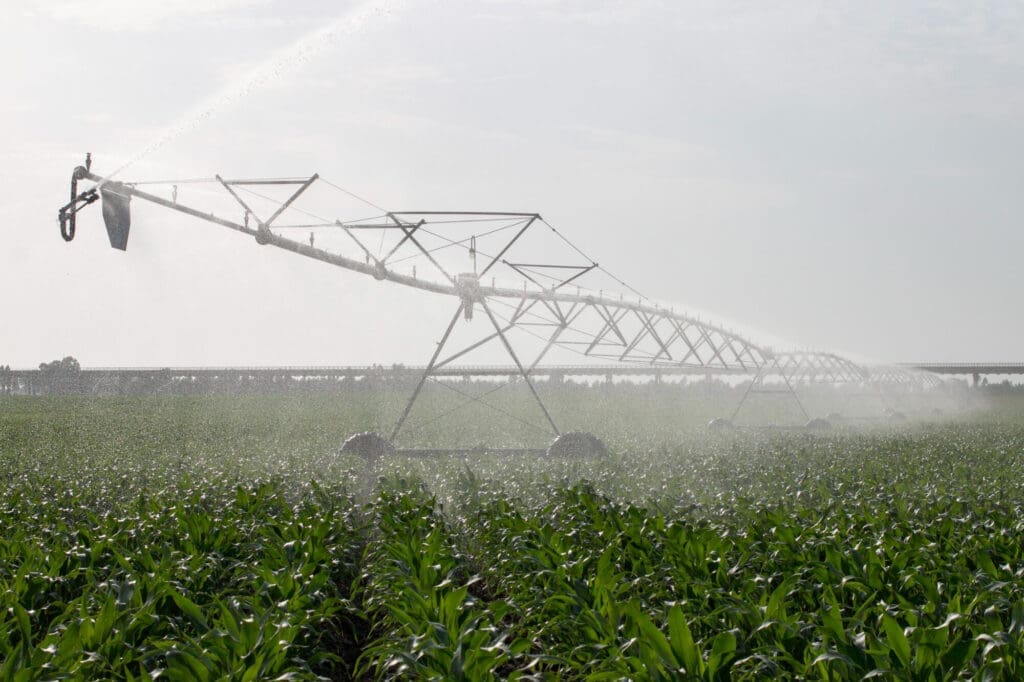
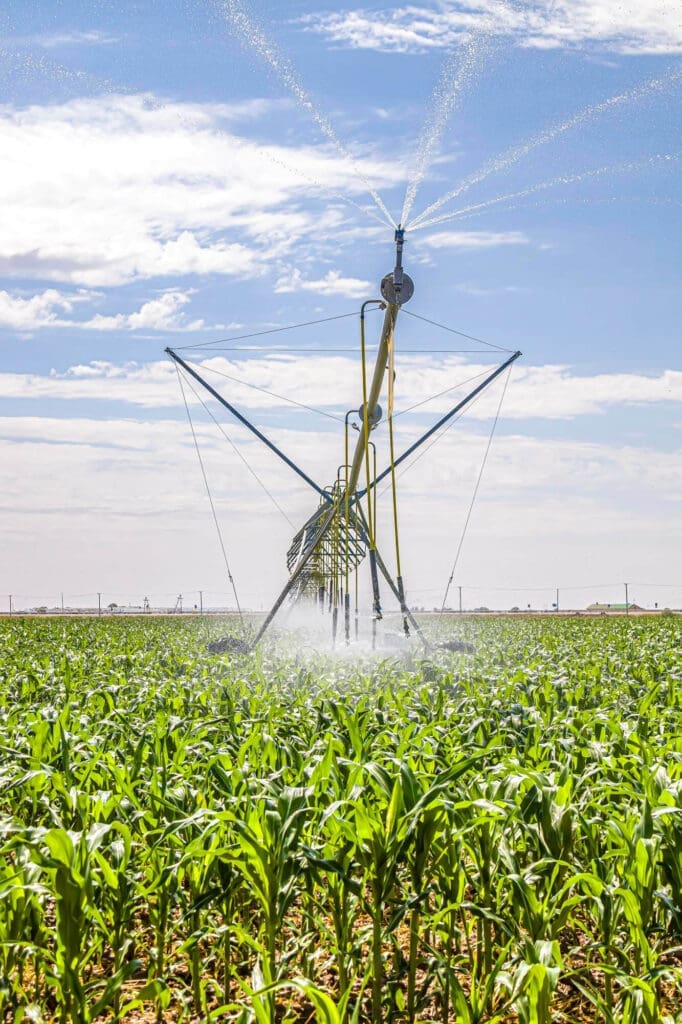
Texas water law is among the most complex and most consequential property law in the state — and for agricultural operations in the Panhandle, it may be the most important legal issue they face. The Ogallala Aquifer underlies approximately 174,000 square miles of the Great Plains, with the Texas Panhandle sitting above one of its most heavily pumped sections. Irrigated corn, wheat, grain sorghum, and cotton production across Deaf Smith, Castro, Swisher, Parmer, and surrounding counties depends almost entirely on water drawn from the Ogallala. As water levels decline — in some areas by more than 100 feet over the past several decades — the competition among users intensifies and the legal disputes that arise from that competition are becoming more complex and more common.
Texas groundwater is governed by the rule of capture — a legal doctrine that generally allows landowners to pump water from beneath their property without liability to neighboring landowners whose water supply is thereby reduced. But the rule of capture operates within a regulatory framework administered by local Groundwater Conservation Districts, which have the authority to issue permits, set pumping limits, require well spacing, and manage the basin as a whole. A water rights attorney in Amarillo, Texas who understands both the property law framework and the specific regulatory structures of the Panhandle’s Groundwater Conservation Districts is essential for any agricultural operation facing a serious water access challenge.
Water Rights Matters We Handle for Panhandle Agricultural Operations
-
Groundwater permit disputes
Challenging or defending GCD permit decisions that affect your authorized pumping volume, well location, or production rights. -
Well interference claims
When a neighboring landowner's or operator's pumping reduces water available to your wells, you may have legal remedies depending on the applicable GCD rules and the specific facts of the interference. -
GCD rule compliance
Understanding and complying with the regulations of the Panhandle Groundwater Conservation District, the High Plains Underground Water Conservation District No. 1, and other applicable GCDs such as the North Plains Ground Water Conservation District and the Hemphill County Underground Water Conservation District. -
Water purchase and transfer agreements
Negotiating, drafting, and reviewing agreements for the purchase, sale, or transfer of groundwater or water rights between agricultural operations.
-
Brackish groundwater development
As Ogallala water becomes scarcer, some operations are exploring alternative sources including brackish groundwater. We advise on the permit requirements and legal framework for alternative groundwater development. -
Produced water from oil and gas operations
Energy production in the Panhandle generates significant volumes of produced water, and disputes over its disposal, reuse, and impact on agricultural water resources are increasingly common. -
Surface water rights disputes
While the Panhandle is primarily a groundwater region, surface water rights disputes along the Canadian River and other water courses arise and require different legal analysis than groundwater matters. -
Water rights in agricultural real estate transactions
Evaluating the water rights associated with agricultural land being purchased or sold, including permitted pumping volumes, existing leases, and well infrastructure.
The Ogallala Aquifer and Texas Groundwater Law — What Every Panhandle Farmer Needs to Know
The Ogallala Aquifer is a fossil water resource — it was deposited over millions of years and recharges at a fraction of the rate at which it is being pumped. The Texas Water Development Board tracks water table levels across the Panhandle, and the data is concerning: average saturated thickness has declined significantly across much of the region, with some areas experiencing declines of over 100 feet since the mid-20th century. In the most heavily irrigated counties — Deaf Smith, Castro, Parmer, and Swisher — the remaining saturated thickness in some areas is thin enough that the long-term viability of center-pivot irrigation is genuinely uncertain.
The legal framework governing the Ogallala in Texas reflects this tension between private property rights and the need for sustainable management. The rule of capture gives landowners broad rights to pump groundwater from beneath their property — but Groundwater Conservation Districts have the authority to regulate that pumping through permits, spacing requirements, and production limits. As an Ogallala Aquifer attorney serving the Texas Panhandle, Kenneth Netardus has worked within this regulatory framework for decades, representing both individual agricultural operations and larger agribusiness clients in matters involving GCD permits, production disputes, and water rights transactions.
Key Groundwater Conservation Districts for Panhandle Agricultural Operations
Panhandle Groundwater Conservation District — covers the northern Texas Panhandle including Hutchinson, Carson, Gray, Wheeler, Collingsworth, Donley, Armstrong, and Briscoe Counties. High Plains Underground Water Conservation District No. 1 — covers the central and southern Panhandle including Potter, Randall, Deaf Smith, Castro, Swisher, Floyd, Motley, Cottle, and surrounding counties. Each GCD has its own rules, permit requirements, and management plan. Understanding which GCD regulates your operation and what its specific rules require is the starting point for any water rights analysis in the Texas Panhandle.
The Legal Framework Governing Groundwater in the Texas Panhandle
Rule of Capture
The foundational principle of Texas groundwater law: a landowner has the right to capture and use water pumped from beneath their property, without liability to neighboring landowners whose water supply is thereby reduced, subject to GCD regulation. This is sometimes called the law of the biggest pump — it gives landowners broad pumping rights but creates competitive pressures when multiple users draw from the same aquifer.
Groundwater Conservation District Authority
GCDs have the statutory authority to adopt rules governing groundwater production within their jurisdiction — including permit requirements, production limits, well spacing rules, and historic use provisions. GCD rules vary significantly across districts and can significantly affect the pumping rights available to an agricultural operation. Understanding and engaging with your GCD is essential.
Historic Use and Existing Permits
Many GCDs give priority to historic users — operations that have been pumping groundwater for agricultural purposes for defined periods. Establishing and protecting your historic use record is important, particularly in GCDs that may eventually move to permit-based management with production limits.
Water Purchase Agreements
Groundwater can be bought and sold in Texas as a private property right. Agricultural operations that need additional water can purchase rights from neighboring landowners or negotiate water purchase agreements with other permit holders. These transactions require careful legal documentation to ensure the purchased rights are enforceable and the quantity and quality of water delivered meets the purchaser’s needs.
Edwards Aquifer vs. Ogallala Distinctions
Texas water law treats different aquifer systems differently. The Edwards Aquifer in South Texas is governed by a permit-based system administered by the Edwards Aquifer Authority — a structure more similar to prior appropriation law than the rule of capture. The Ogallala in the Panhandle is managed under the rule of capture framework with GCD overlay. These distinctions matter for operations that span multiple water law frameworks.
The Growing Pressures on Panhandle Groundwater — and the Legal Disputes They Create
Agricultural water access in the Texas Panhandle faces threats from multiple directions simultaneously:
-
Declining Aquifer Levels
As the Ogallala declines, wells that were once productive become marginal or fail entirely. Disputes arise over whether neighboring operations' pumping is accelerating depletion in ways that interfere with established agricultural uses. -
Competing Municipal Demand
Growing cities in and around the Panhandle — including Amarillo itself — are evaluating options to secure additional water supplies, including purchases of groundwater rights from agricultural landowners and producers. These transfers can affect the long-term water availability in producing agricultural areas. -
Energy Industry Water Use
Oil and gas operations in the Panhandle use significant volumes of water for drilling, hydraulic fracturing, and other operational purposes. Disputes between agricultural water users and energy companies over shared aquifer resources are becoming more common. -
GCD Regulatory Changes
As aquifer levels decline, GCDs may adopt more restrictive management plans, reduce permitted pumping volumes, or impose new well spacing requirements. Operations that have relied on historic pumping levels may find their authorized production reduced through regulatory action. -
Water Market Transactions
The emergence of an active water market in the Panhandle — where groundwater rights are bought and sold — creates both opportunities and risks for agricultural operations. Selling water rights can provide short-term income but permanently reduces the operation's water access. Evaluating these transactions carefully is essential.
A Water Rights Attorney in Amarillo Who Understands What Water Means to Panhandle Agriculture


Partner Kenneth Netardus has been advising Panhandle agricultural operations on water rights and related legal matters for nearly three decades. His practice spans both the legal framework of Texas water law and the practical reality of what water access means for the farms and ranches that have worked the High Plains for generations. He has represented agricultural clients in GCD permit proceedings, water purchase transactions, and disputes involving competing claims to Ogallala water — understanding both the legal arguments and the economic stakes from the perspective of operations that depend on that water to survive.
Kenneth’s connection to the Panhandle agricultural community goes beyond his legal practice. He and his wife Hillary have called Amarillo home since 2001, and their daughters are active 4-H members who show livestock. He understands the culture of Panhandle agriculture — the multigenerational commitment to the land, the vulnerability to forces outside any individual operation’s control, and the importance of protecting water access not just for the current generation but for the operations that will follow. As a water rights attorney in Amarillo, Texas, he approaches every water rights matter with the knowledge that what is at stake is not just a legal dispute — it is the long-term viability of an agricultural operation and the family behind it.
Water Rights Questions — Answered
What is the rule of capture and how does it affect my water rights in the Texas Panhandle?
The rule of capture is the foundational principle of Texas groundwater law. It gives landowners the right to pump and use water from beneath their property without liability to neighboring landowners whose water supply is reduced by that pumping. In practical terms, it means that as long as you are not violating your GCD’s regulations, you generally have the right to pump as much water as you can from beneath your own land. However, the rule of capture has important limitations in the Panhandle — your pumping is subject to the regulations of your local Groundwater Conservation District, which may limit production volumes, require permits, and impose well spacing requirements.
Which Groundwater Conservation District regulates my property?
In the Texas Panhandle, the two primary GCDs are the Panhandle Groundwater Conservation District, which covers the northern Panhandle counties, and the High Plains Underground Water Conservation District No. 1, which covers the central and southern Panhandle. Some counties may be in different or overlapping jurisdictions. Your GCD determines the specific permit requirements, production limits, and well spacing rules that apply to your operation. An attorney can confirm which GCD regulates your property and what its current rules require.
Can my neighbor's pumping legally reduce the water available to my wells?
Under the rule of capture, neighboring landowners generally have the right to pump water from beneath their property even if that pumping reduces the water available to your wells — as long as they comply with GCD regulations. However, if a neighboring operation is pumping in violation of GCD rules, causing waste, or engaging in conduct that exceeds their legal rights, you may have legal remedies. The specific facts and the applicable GCD rules determine what recourse is available. Contact us to evaluate your specific situation.
Should I sell my groundwater rights to a city or water authority?
This is one of the most consequential decisions a Panhandle agricultural operation can make, and it deserves careful legal and economic analysis before any commitment is made. Selling groundwater rights can provide significant short-term income but permanently reduces your operation’s water access — which affects not just current irrigation capacity but the long-term value of the land and its ability to support agricultural production. We recommend consulting an attorney and an agricultural economist before entering any water rights sale negotiation.
What can I do if my GCD denies my well permit or reduces my pumping allocation?
GCD permit decisions can be challenged through administrative processes within the GCD — including hearings before the GCD board — and, if necessary, through judicial review in the district courts. The specific procedure depends on the GCD’s rules and the nature of the challenged decision. Acting promptly is important, as administrative deadlines for challenging GCD decisions can be short. Contact us as soon as possible after receiving an adverse permit decision.
Protecting Your Water Access in the Texas Panhandle — Don't Wait for a Crisis
Water rights disputes and GCD permit challenges are easier to address before they become acute than after. Whether you are facing an immediate dispute or simply want to understand and protect your water rights before a problem develops, contact Stockard, Johnston, Brown, Netardus & Doyle for a consultation with a water rights attorney in Amarillo who has spent nearly three decades advising Panhandle agricultural operations on exactly these issues.