
DWI Attorney in Amarillo, Texas
A DWI Charge in Texas Moves Fast — Your Defense Needs to Move Faster
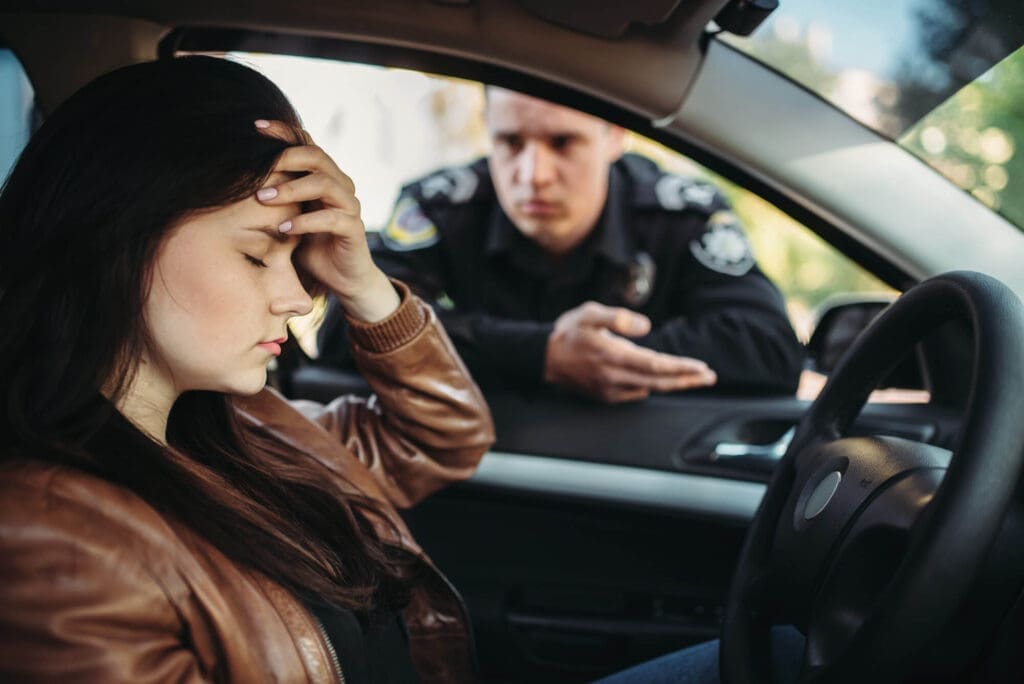
A DWI arrest in Amarillo sets two separate clocks running simultaneously. The criminal case begins immediately with an arraignment and the prosecution building its case. The administrative license revocation process begins with a 15-day window to request a hearing — miss it and your license is automatically suspended. As a DWI attorney in Amarillo, Texas, Jarrett Johnston and Ethan Colley at Stockard, Johnston, Brown, Netardus & Doyle go to work on both tracks from the moment you call. The earlier we are involved, the more options remain available.
DWI Law in Texas — What You Are Actually Facing
Texas law defines intoxication as having a blood alcohol concentration of 0.08 or higher — or lacking the normal use of mental or physical faculties due to alcohol, drugs, or a combination of both. A commercial driver can be charged at 0.04 BAC. A driver under 21 can be charged at any detectable level under Texas’s zero-tolerance law. The prosecution does not need a breath or blood test to charge DWI — an officer’s observations of impaired driving behavior can be sufficient. And the penalties escalate sharply with each subsequent offense.
The challenge in defending a DWI case in Amarillo, Texas is that the evidence — the officer’s report, the field sobriety test results, the breath or blood test — looks definitive on paper. But every piece of that evidence has vulnerabilities. The traffic stop may have lacked legal justification. The field sobriety tests may have been improperly administered. The breathalyzer may have calibration issues. The blood draw may have errors in collection, handling, or chain of custody. A DWI attorney in Amarillo, Texas who knows where to look can find those vulnerabilities and use them.
DWI Defense Strategies We Use in Amarillo Courts
-
Challenging the Legality of the Traffic Stop
A DWI arrest is invalid if the officer did not have reasonable suspicion to pull you over. We review dashcam footage, officer body cam, and the stop report to evaluate whether the stop was lawful. -
Challenging Field Sobriety Test Administration
The National Highway Traffic Safety Administration has specific protocols for administering standardized field sobriety tests. Deviations from those protocols can render the results inadmissible or unreliable. -
Challenging Breathalyzer Accuracy
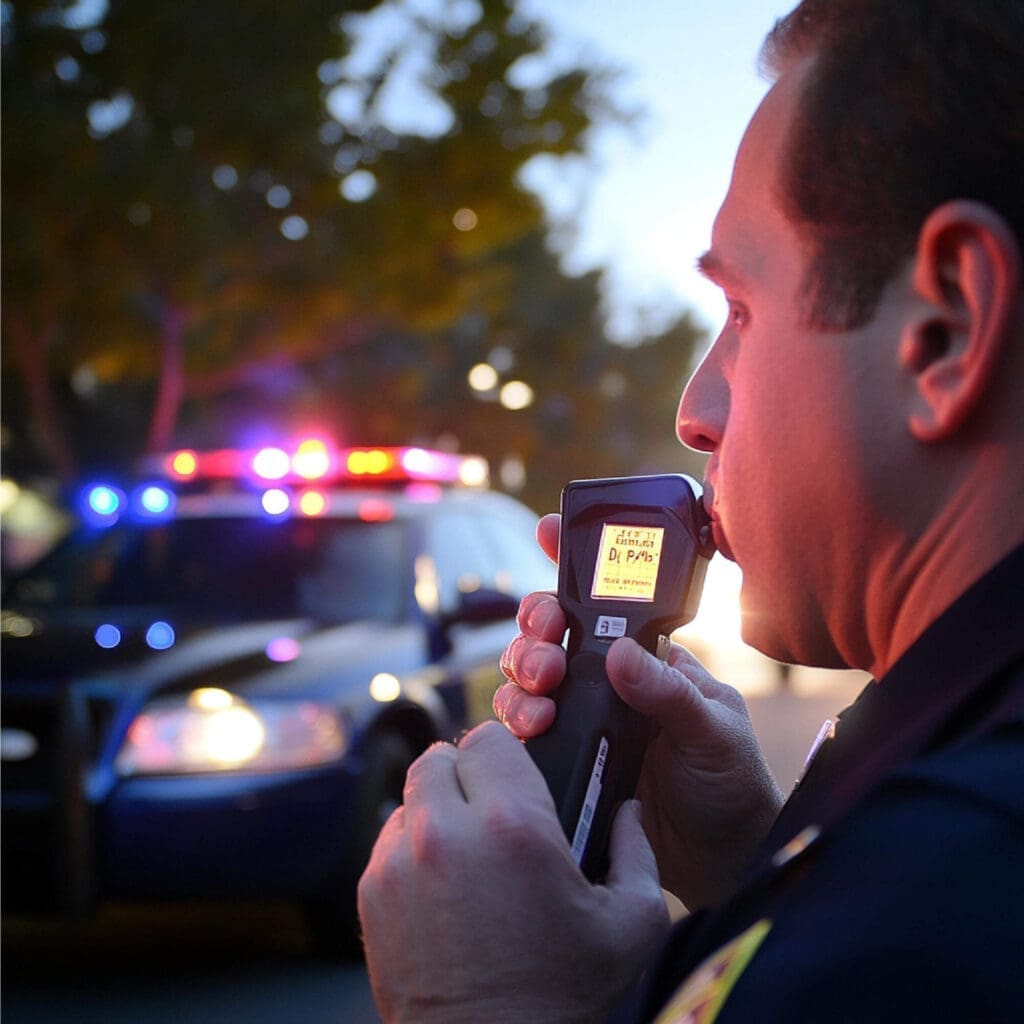
Breath testing instruments must be properly calibrated, maintained, and operated. We obtain calibration and maintenance records and evaluate whether the test was properly administered. -
Challenging Blood Test Chain of Custody
Blood evidence must be properly collected, stored, and handled. Any break in the chain of custody can render blood test results inadmissible.
-
Challenging the Officer's Observations
The officer's subjective assessment of intoxication signs is subject to cross-examination. We examine dashcam footage against the officer's report for inconsistencies. -
Evaluating Medical & Physiological Explanations
Certain medical conditions and medications can produce field sobriety test failures or elevated breath test readings unrelated to alcohol intoxication. -
ALR Hearing Strategy
The administrative license revocation hearing is a separate proceeding with its own discovery opportunities. Evidence obtained at the ALR hearing can be used in the criminal case.
What a DWI Conviction Means in Texas — Beyond the Immediate Penalties
Texas DWI penalties escalate with each offense, and the consequences extend far beyond the criminal penalties themselves:
First Offense DWI
Up to 180 days in jail, fines up to $2,000, license suspension up to one year, and an annual surcharge of $1,000–$2,000 for three years to retain your driver’s license.
Second Offense DWI
Up to one year in jail, fines up to $4,000, license suspension up to two years, and mandatory ignition interlock device.
Third Offense DWI (Felony)
Two to ten years in state prison, fines up to $10,000, and license suspension up to two years.
Employment Consequences
A DWI conviction appears on your criminal record and can affect professional licenses, security clearances, commercial driver’s licenses, and employment in many fields.
Immigration Consequences
For non-citizens, a DWI conviction can affect immigration status, visa renewals, and citizenship applications.
Insurance Consequences
A DWI conviction typically results in significantly higher auto insurance rates for years following the offense.
The 15-Day ALR Deadline — Do Not Miss It
When you are arrested for DWI in Texas, the arresting officer typically confiscates your driver’s license and issues a temporary driving permit. You have 15 days from the date of your arrest to request an Administrative License Revocation hearing with the Texas Department of Public Safety. If you do not request the hearing within 15 days, your license will automatically be suspended when the temporary permit expires — typically 40 days after arrest. Requesting the ALR hearing preserves your license and creates a discovery opportunity that can benefit your criminal case. Call us the day of your arrest.
Two Criminal Defense Attorneys in Amarillo Dedicated to Your DWI Defense


Stockard, Johnston, Brown, Netardus & Doyle has two attorneys dedicated to criminal defense in the Amarillo area. Founding partner B. Jarrett Johnston has been defending DWI cases in the Potter County and Randall County courts since 2004 — he knows the local prosecutors, the judges, and how DWI cases move through the Amarillo court system. Attorney Ethan J. Colley is a Texas Tech University School of Law graduate and AABA member who focuses his practice on criminal law and personal injury — bringing additional criminal defense capacity that ensures DWI clients receive focused, responsive representation from the start of their case through resolution. Together they have handled the full range of DWI matters — first offenses through felony third offense cases, ALR hearings, and cases involving blood test evidence.
As DWI attorneys in Amarillo, Texas, our approach is consistent with how we handle every criminal defense matter: attack the prosecution’s case from every available angle. We challenge the stop. We challenge the tests. We challenge the evidence handling. And we do it from day one — because the earlier we are involved, the more options we have to protect your license, your record, and your future.
DWI Questions — Answered
What happens to my driver's license after a DWI arrest in Texas?
The arresting officer typically confiscates your license and issues a temporary driving permit. You have 15 days to request an Administrative License Revocation hearing to contest the suspension. If you do not request the hearing, your license is automatically suspended when the temporary permit expires. Contact us immediately — this deadline is critical.
Can a DWI charge be dismissed in Texas?
Yes. DWI charges are dismissed or reduced more often than most people expect — particularly when the stop was legally questionable, the field sobriety tests were improperly administered, or there are issues with the breath or blood test evidence. Every case is different, but challenging the evidence from the beginning gives us the best chance of achieving the best possible outcome.
Do I have to take a breathalyzer test if I am pulled over in Texas?
Texas has implied consent laws — by driving on Texas roads you have implicitly consented to breath or blood testing if lawfully arrested for DWI. Refusing a breathalyzer after arrest results in an automatic license suspension of 180 days for a first refusal, and can be used as evidence against you in court. However, without a chemical test, the prosecution relies on officer observations — which are more challengeable. The decision has real consequences either way, which is why having an attorney involved immediately after an arrest matters.
What is the difference between DWI and DUI in Texas?
In Texas, DWI (Driving While Intoxicated) applies to adults with a BAC of 0.08 or higher, or who lack normal mental or physical faculties due to alcohol or drugs. DUI (Driving Under the Influence) in Texas is a Class C misdemeanor that applies specifically to minors who drive with any detectable amount of alcohol — even below 0.08. The penalties and procedures differ significantly between the two charges.
Charged With DWI in Amarillo? Call Us Before You Do Anything Else.
The 15-day ALR deadline and the prosecution’s early evidence-gathering make immediate action critical in DWI cases. Contact Stockard, Johnston, Brown, Netardus & Doyle now for a free consultation with an experienced DWI attorney in Amarillo, Texas.